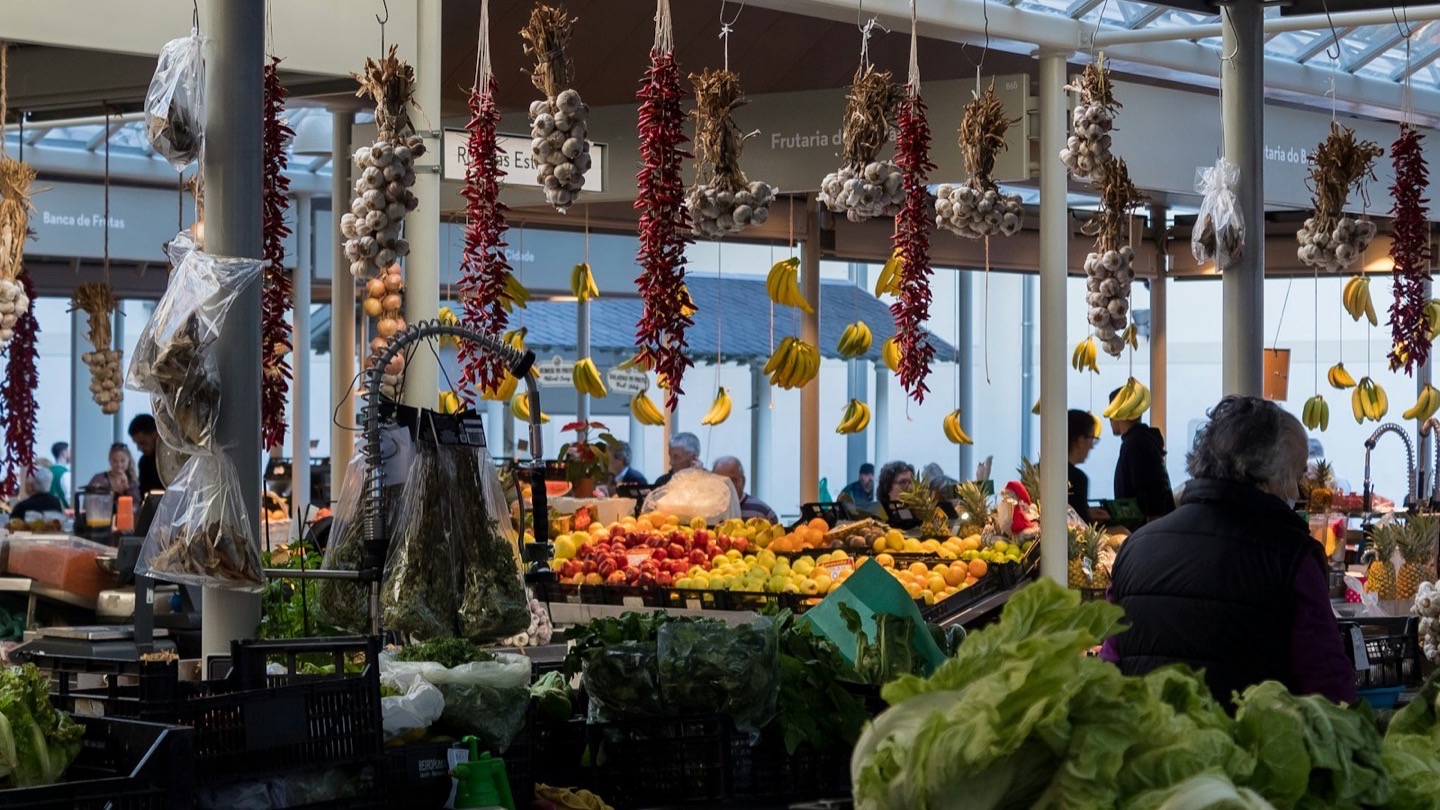
A farmer in Ghana can do everything right — prepare the land, plant well, water through a dry spell, and bring in a strong harvest — and still lose roughly a third of it before it ever reaches a buyer. That is the brutal arithmetic of post-harvest loss: around 30% of fruit and vegetables grown by Ghanaian smallholders spoils after picking. It is grown, but never sold. Watered, but wasted.
This is not a farming problem. It is an infrastructure problem — and that makes it solvable.
Why produce spoils so fast
Fresh produce is perishable from the moment it is picked. In the heat, tomatoes, peppers and leafy vegetables can begin to degrade within a day. The single most effective intervention is also the simplest: get the produce cool, quickly, and keep it cool. Every hour a crop sits in ambient heat is shelf life — and income — lost.
The trouble is that cooling needs reliable power, and in much of rural Ghana reliable power is exactly what is missing. Grid connections are patchy, and even where the grid reaches, dumsor — the recurring load-shedding that returned in 2024–25 — means it cannot be trusted. Diesel refrigeration is expensive and dirty. So most smallholders have no cold storage at all.
Where the cold chain breaks
A working cold chain moves produce from farm to market without ever letting it warm up. In Ghana, that chain breaks at the very first link: there is nowhere cool on or near the farm to hold the harvest. Without that first step, the rest does not matter.
The result is a painful cycle. At harvest, everyone’s crop ripens at once, the market floods, prices collapse, and whatever cannot be sold immediately rots. Farmers are forced to sell low or not at all — and the next season they plant less.
How a solar cold room changes the maths
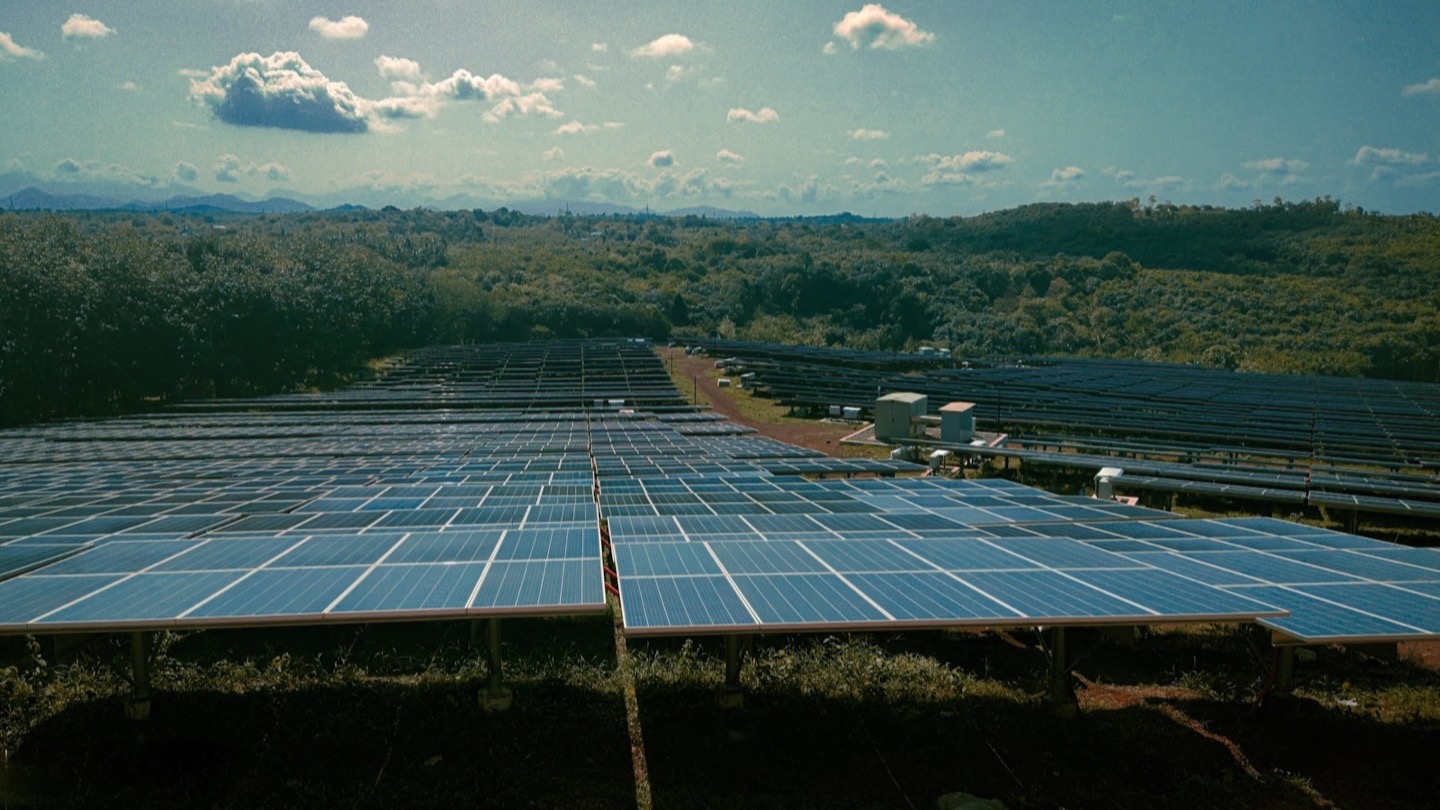
Put an off-grid, solar-powered cold room on the farm and the equation flips. Produce goes in cool within hours of picking and gains days of shelf life. That extra time means a farmer no longer has to sell into a glut — they can hold produce back and sell when prices recover, or move it to a better market.
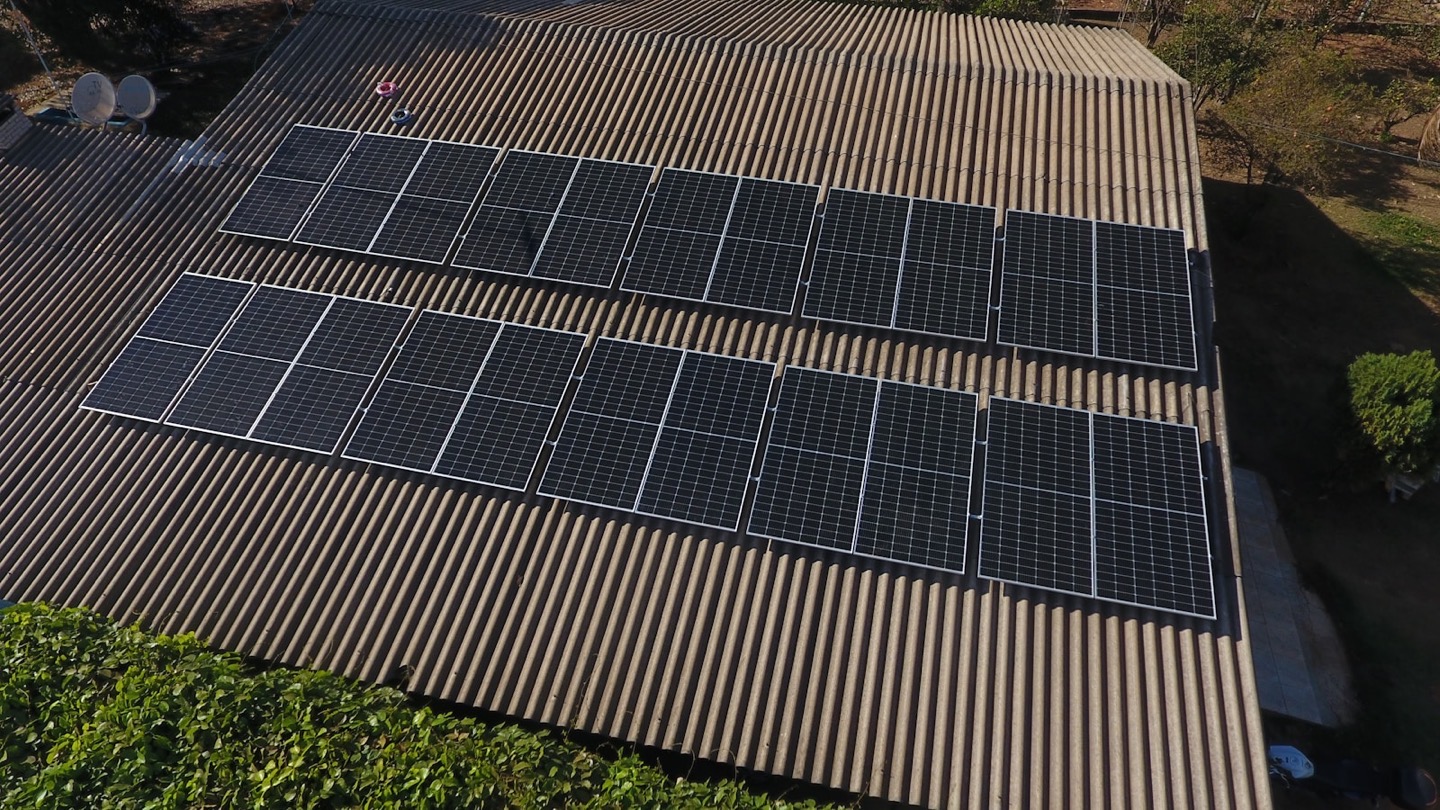
This is the idea behind Worldtech’s EcoRecharge Coldroom: an off-grid, portable, solar-powered walk-in cold room that is remotely monitored and uses reusable crates, on a pay-as-you-store basis. Because it runs on solar with thermal storage, it keeps cooling overnight and straight through grid outages. No grid, no diesel, no spoiled glut.
From one cold room to three thousand
One cold room helps one community. The opportunity is to do this at scale — which is why Worldtech’s founding ambition is to install 3,000 cold rooms across Ghana, cutting food waste, building climate resilience, and creating green jobs for youth and women along the way. That model is already drawing partners: GIZ has reserved 20 solar cold rooms from a batch under construction.
Cold storage is also one corner of a bigger picture. Cooling is the food pillar of the Water–Energy–Food Nexus — and the same solar current that runs the cold room also pumps the borehole and powers the community. Fixing post-harvest loss is where it starts.