Development tends to treat water, energy and food as separate departments — a borehole project here, a solar grant there, an agriculture programme somewhere else. The Water–Energy–Food Nexus says that is the wrong way to look at it. These three systems are inseparable, and the most effective solutions treat them as one.
What the nexus actually means
Start with the obvious dependencies. Growing food needs water. Moving and treating water needs energy. Producing energy — especially hydropower — needs water. Pull on any one thread and the other two move. The nexus is simply the discipline of designing for all three at once, instead of solving one and accidentally straining another.
For a Ghanaian community, the practical version is even simpler: you cannot fix food security without energy and water, and you cannot deliver clean water without energy. Tackle them in isolation and you get a borehole with no power to pump it, or a cold room with no electricity to cool it.
Solar: the single current
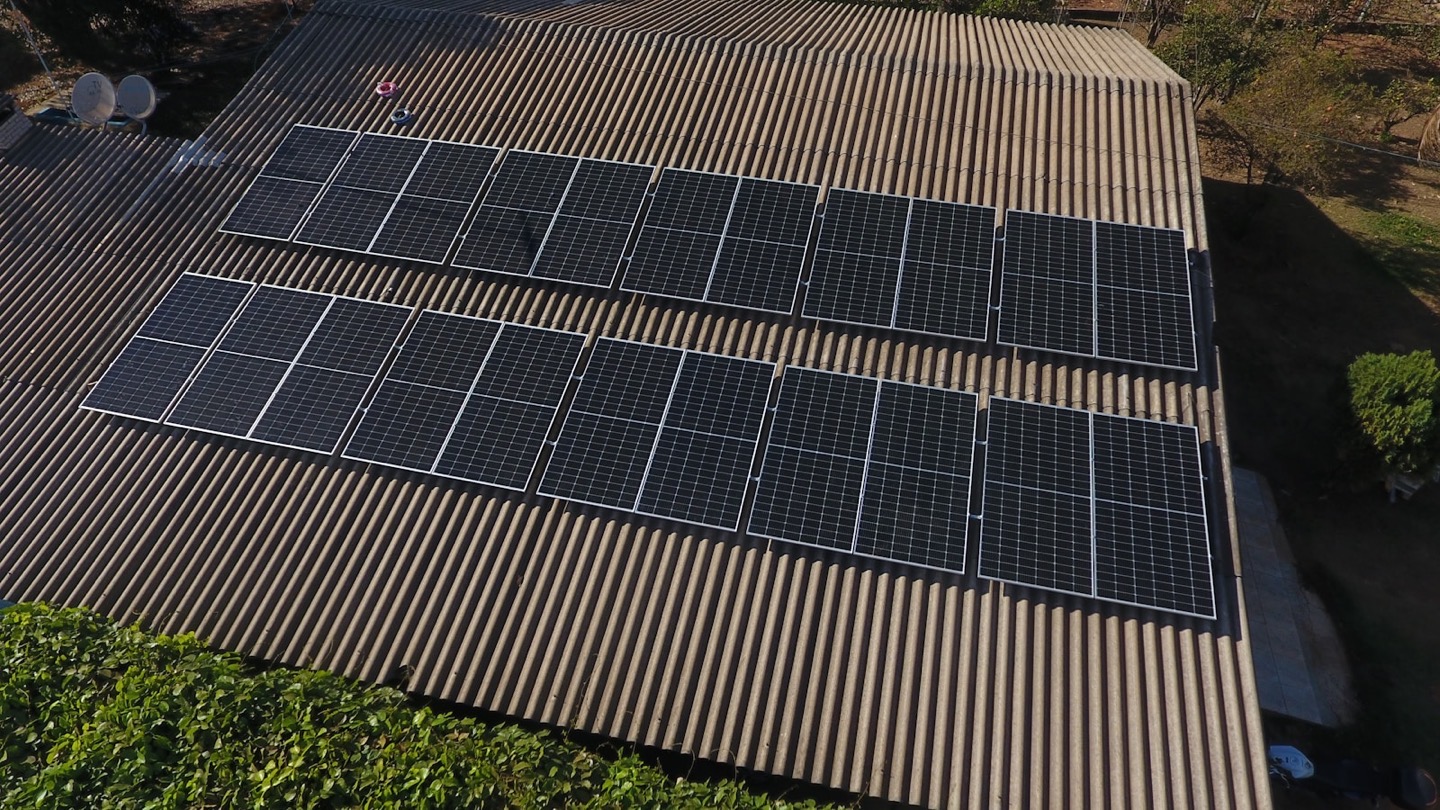
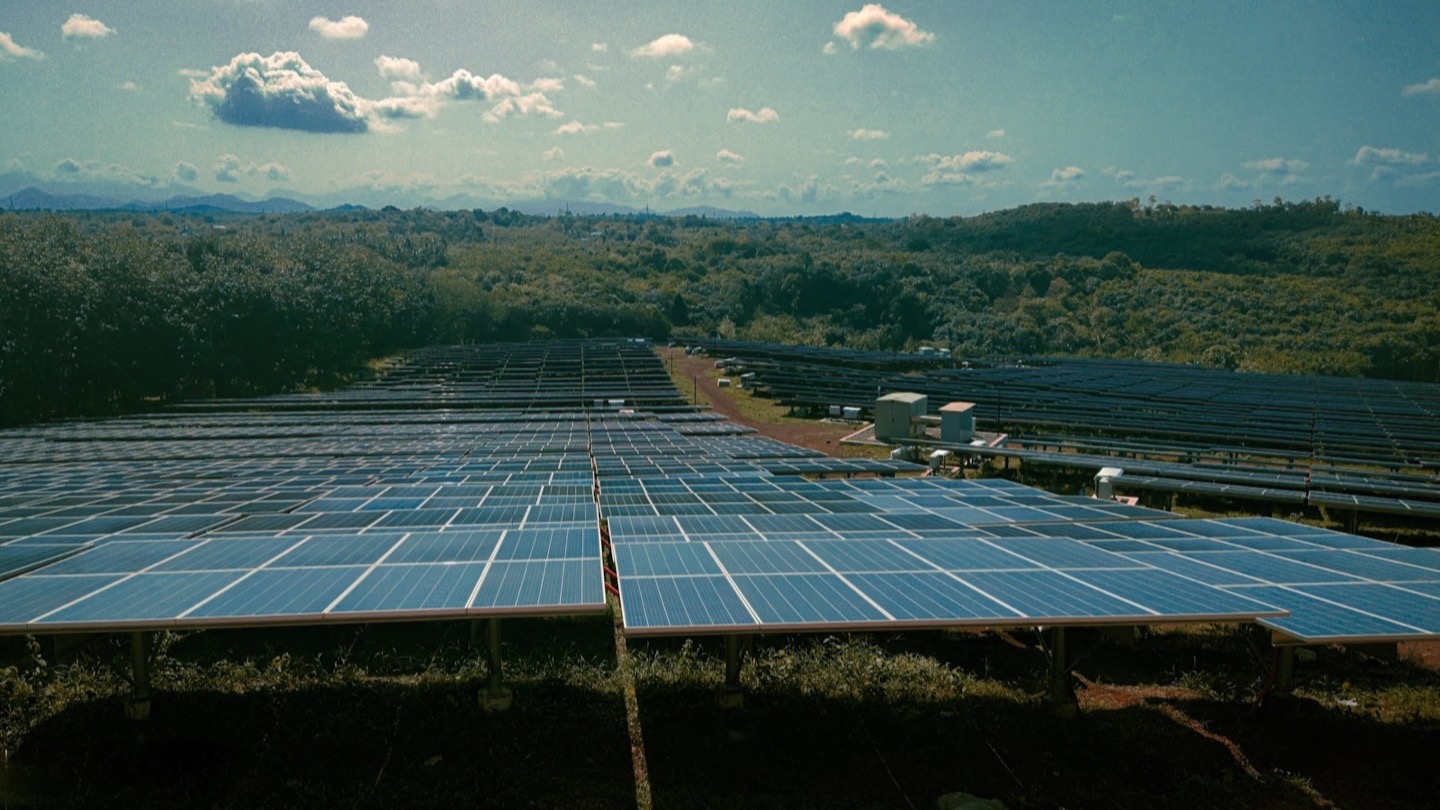
Worldtech’s answer is to put one thing at the centre of all three: solar energy. Solar is the single current that powers the whole system — and because it is clean, modular and off-grid, it works exactly where the grid does not.
- Water. Solar pumps the borehole and runs smart irrigation — no fuel, no grid, no outages.
- Energy. Solar mini-grids power homes, schools, health facilities and farms, with storage so the supply holds through dumsor.
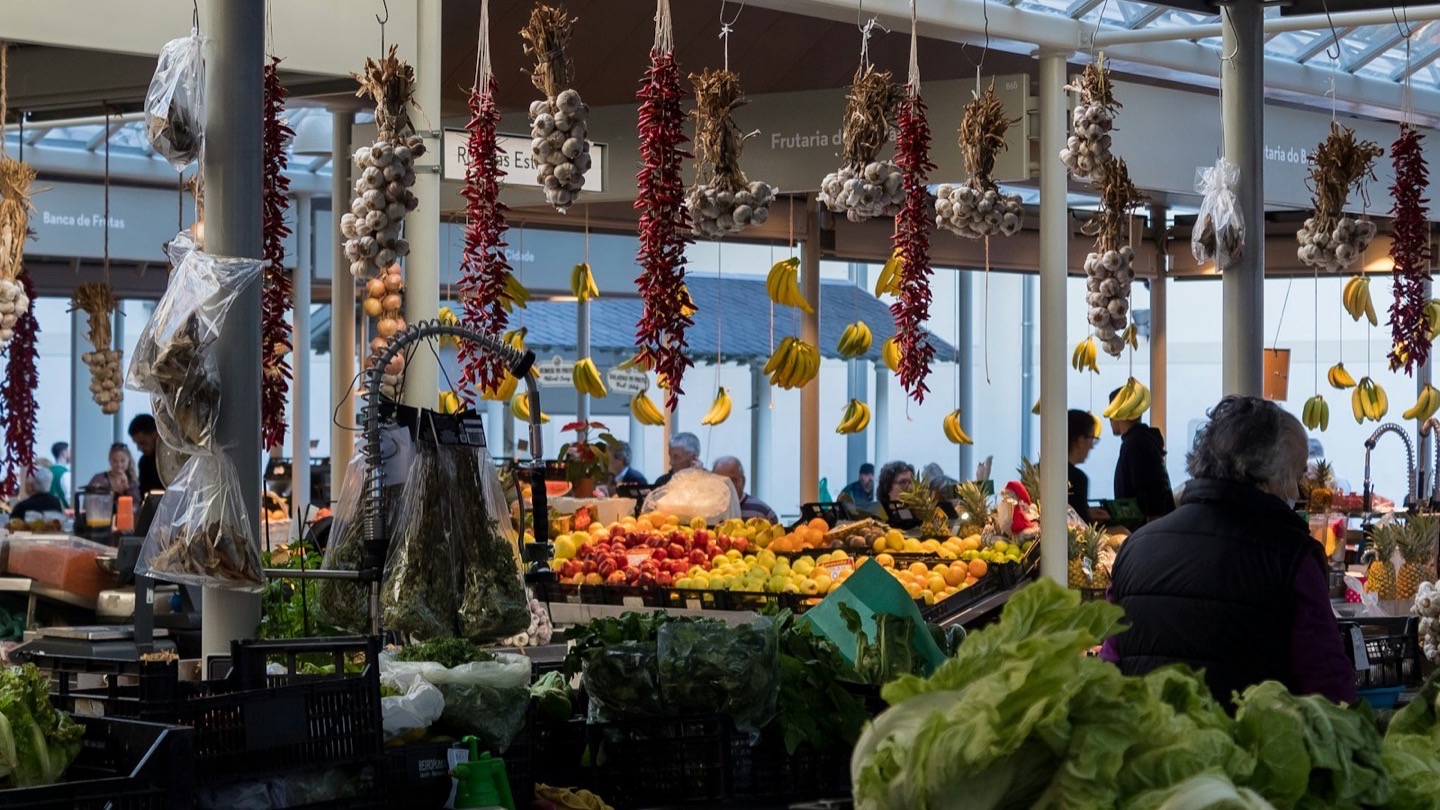
- Food. Solar runs the cold room and the agro-processing line, cutting the roughly 30% of harvest lost after picking.
How the three reinforce each other
The magic of the nexus is that each pillar makes the others stronger. Solar energy pumps water for irrigation; reliable irrigation plus solar cold storage grow and preserve more food; that food system creates green jobs and income; and a community with power and water can support services it never had before.
It also enables clever overlaps. Agro-photovoltaics grows crops in the shade beneath the very panels that make the power — the same land, doing two jobs. That is nexus thinking made physical.
Why it matters for Ghana
Ghana faces erratic rainfall, depleted groundwater, under-utilised arable land and a grid that cannot be relied upon. Addressing those pressures one at a time is slow and fragile. Addressing them as a system is faster and more resilient — which is why the nexus maps so cleanly onto four UN Sustainable Development Goals: 2 (Zero Hunger), 6 (Clean Water), 7 (Clean Energy) and 13 (Climate Action).
From model to ground
A model is only as good as what it builds. Worldtech’s clearest expression of the nexus is Agri Ecostore — a flagship community that plants the whole system at once where there is no infrastructure: power, water, connectivity, solar-powered shops and cold storage. It is the nexus you can walk through. When there is no market, Worldtech creates the market.