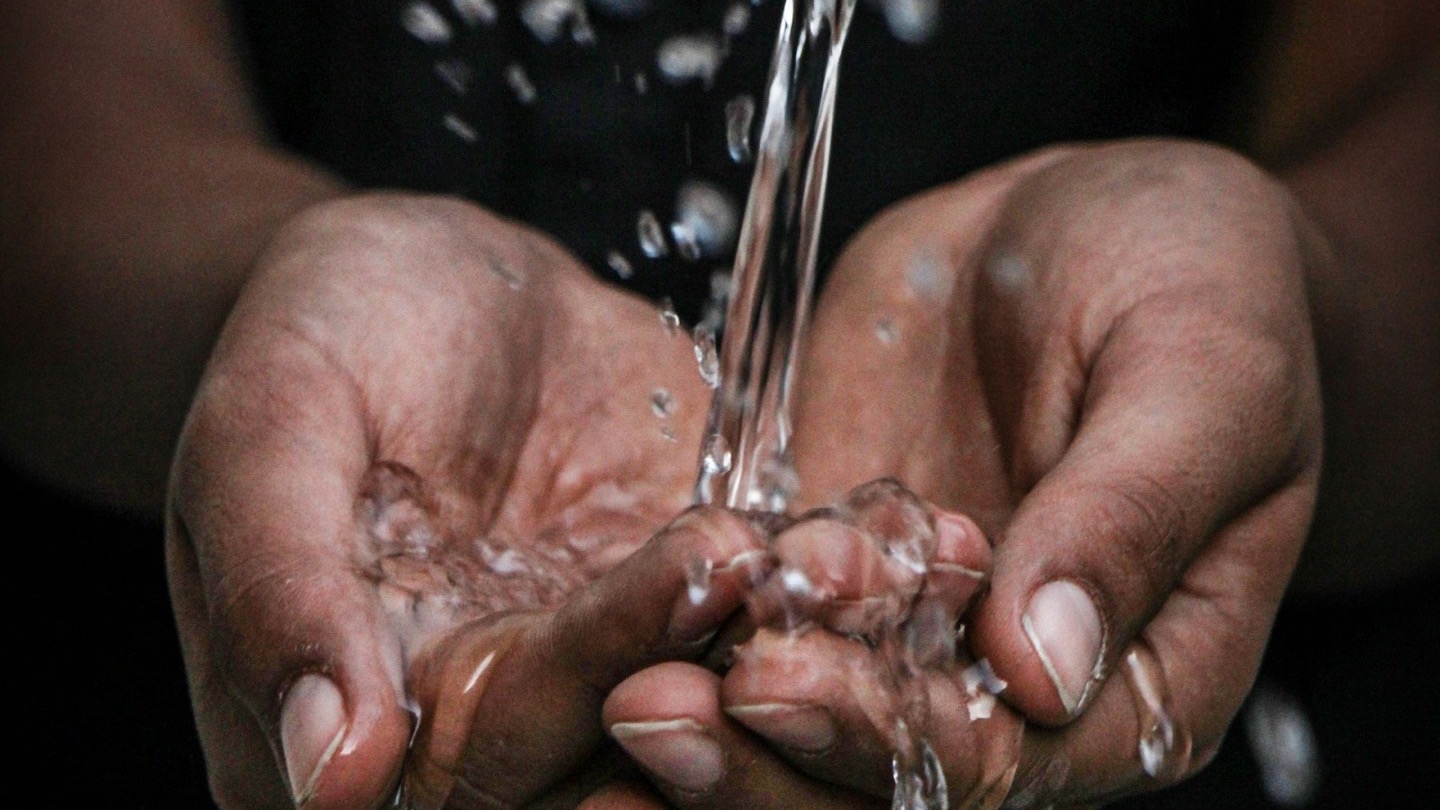
For a community without a mains connection, clean water usually means one of two things: a long walk, or a diesel pump that is expensive to run and breaks the budget when fuel prices climb. A solar borehole offers a third option — reliable, clean water drawn by the sun, with no fuel and no grid.
The water access gap
Groundwater is often right there beneath a community’s feet; the problem is lifting it. Hand-pumping is slow and limited. Grid-powered pumping needs a grid, which many rural areas do not have — and where it exists, dumsor makes it unreliable. Diesel pumping works but burns money and carbon. The missing piece is a power source that is free at the point of use and works off-grid. That is solar.
How a solar borehole works
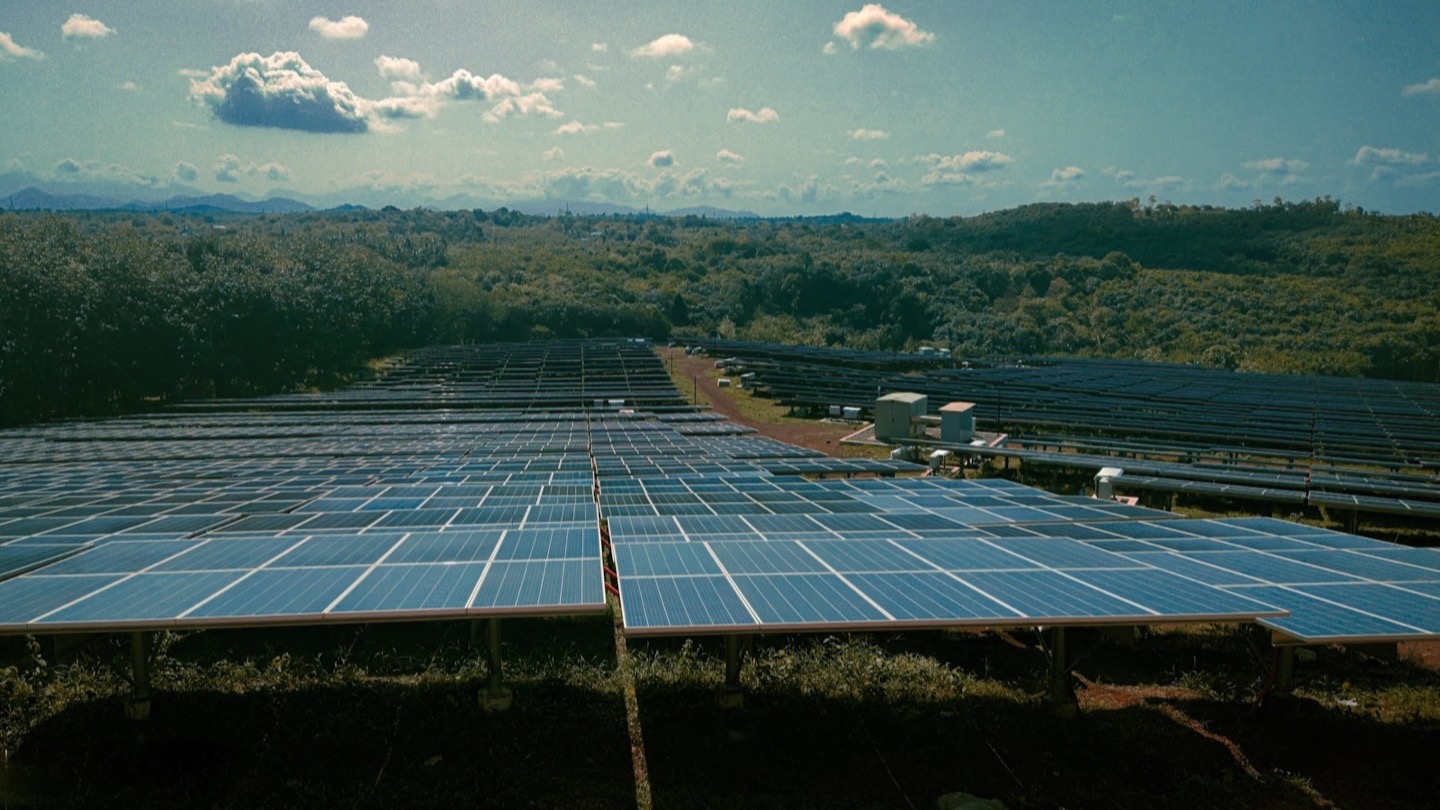
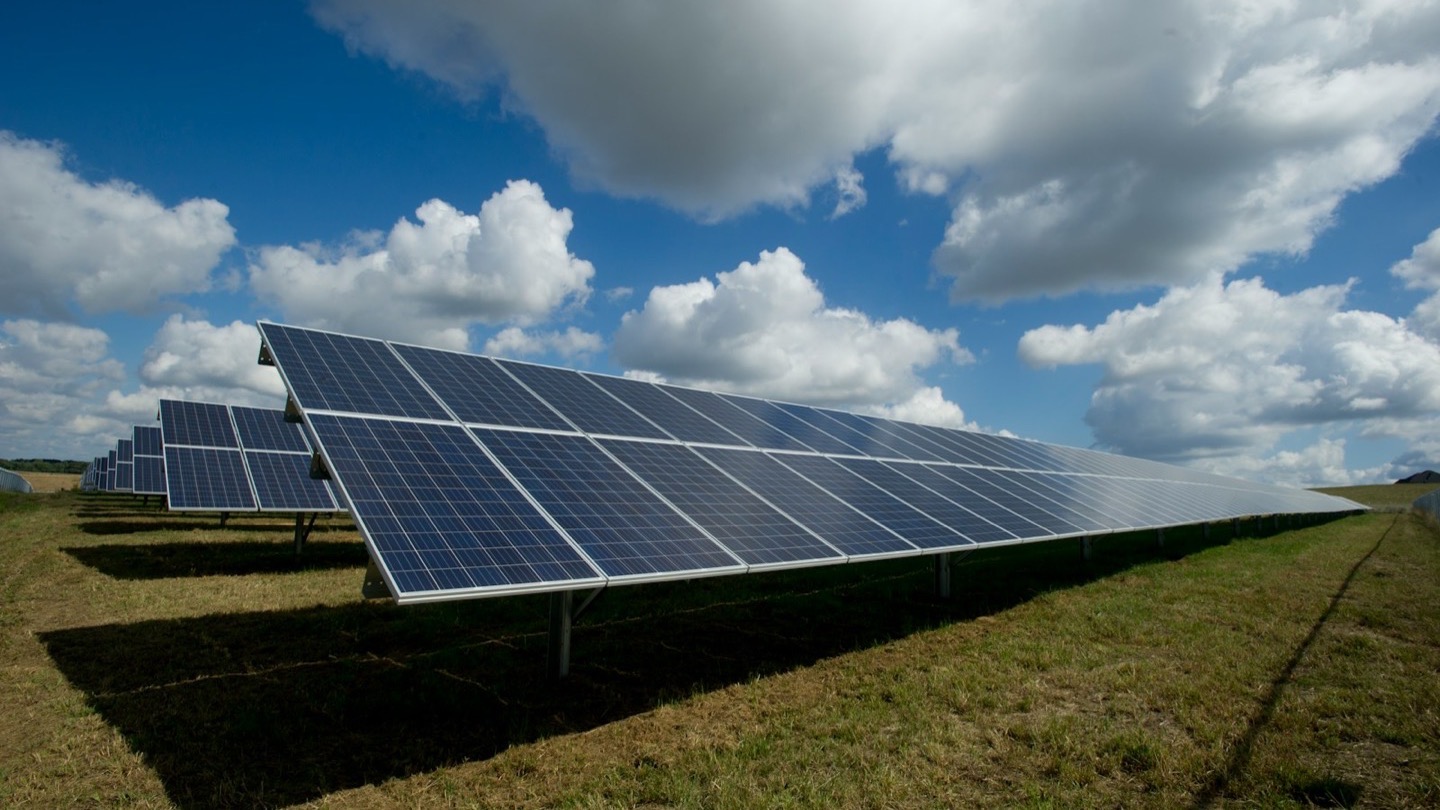
The system is refreshingly simple. Solar panels power a submersible pump in the borehole. During daylight the pump lifts groundwater up into a storage tank — often raised, so gravity does the rest. Households and farms then draw from the tank on demand. There is no generator to fuel, no grid bill, and very little to go wrong.
No fuel, no grid, no outages
Because the “fuel” is sunlight, running costs collapse after installation. And because the system stores water rather than electricity, it sidesteps the most expensive part of off-grid power. You pump when the sun shines and draw whenever you need to — including at night and through outages. Storing water in a tank is far cheaper than storing the equivalent energy in batteries, which is exactly why solar and water pumping are such a natural pair.
Beyond pumping
Clean drinking water is the start. The same solar water platform extends into smart irrigation that cuts waste while boosting yields, rainwater harvesting and greywater reuse, and well recharge that helps replenish the groundwater being drawn down. Together these protect the resource, not just exploit it.
Water is one pillar of three
Reliable water rarely travels alone. In Worldtech’s Water–Energy–Food Nexus, the solar energy that pumps the borehole is the same current that runs the cold room and the mini-grid — and the irrigation it enables feeds straight into agro-photovoltaics and food production. Solve water with solar, and you have already done half the work on energy and food. That is SDG 6 in practice — and the nexus doing what it does best.