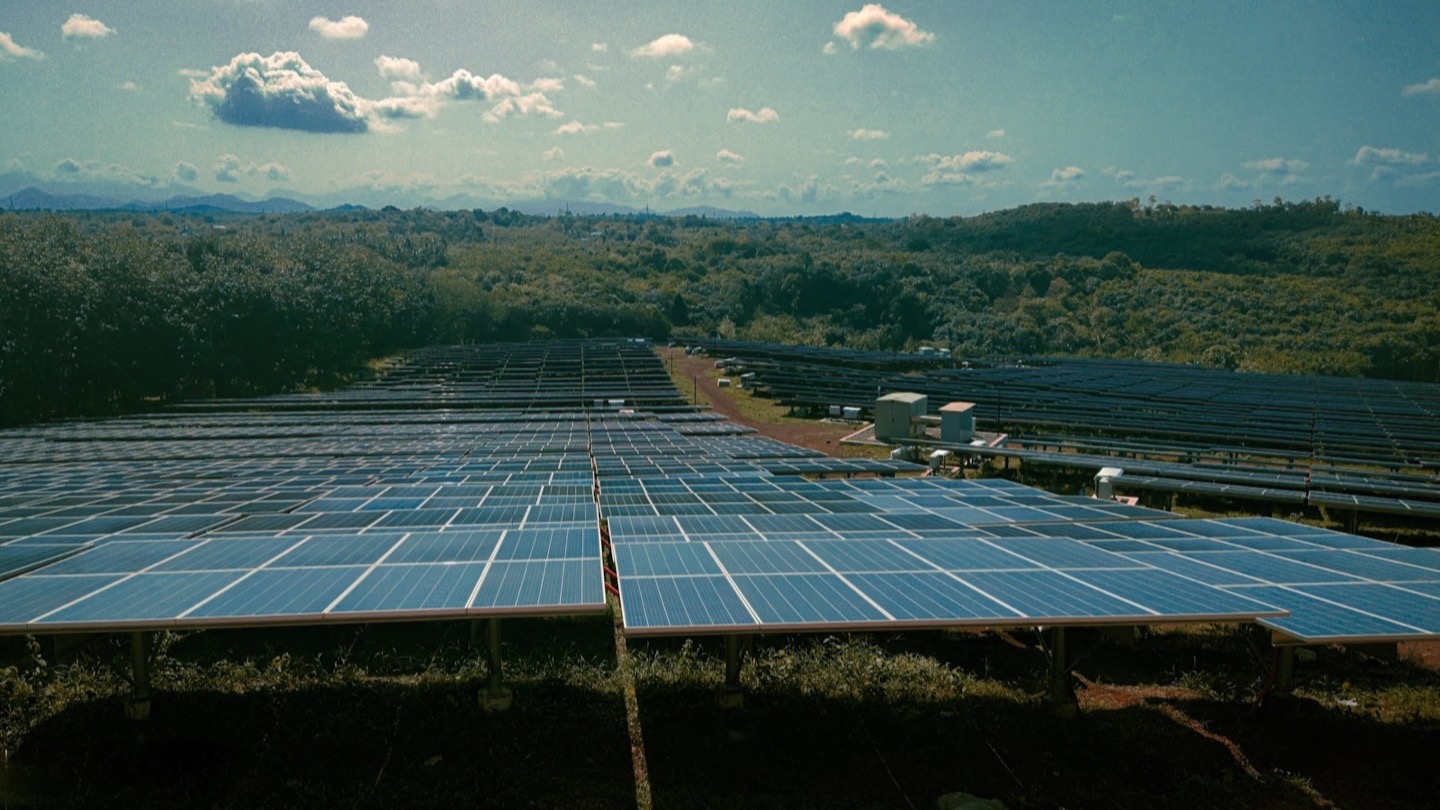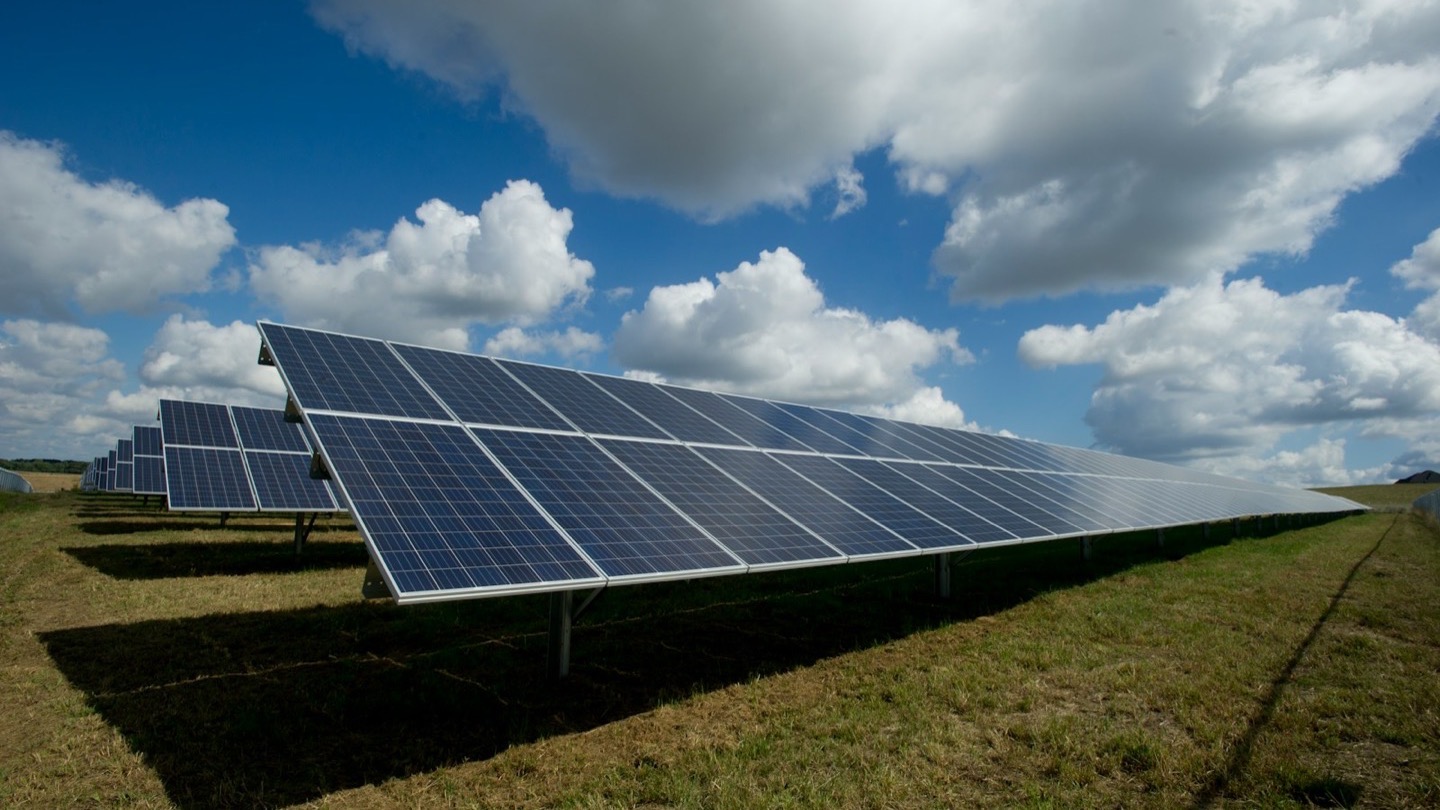
The usual assumption is that a piece of land is either a farm or a solar field — you choose one. Agro-photovoltaics rejects that trade-off. By raising and spacing the panels, the same land can make electricity above and grow food below. One field, two harvests.
The double harvest
In an agro-PV layout, solar panels are mounted high enough and far enough apart that crops grow in the gaps and the dappled shade beneath. The farmer keeps cultivating; the array keeps generating. Instead of competing for land, energy and agriculture share it — which is precisely the kind of overlap the Water–Energy–Food Nexus is built to find.
Why partial shade can help, not hurt
It seems counter-intuitive that shading a crop could be good for it. But in a hot climate, full midday sun is often more than a plant needs — and the excess shows up as heat stress, scorched leaves and rapid water loss. The partial shade from spaced panels softens the peak heat, so many leafy greens and vegetables grow better, not worse, beneath them.
Less water, not just more power
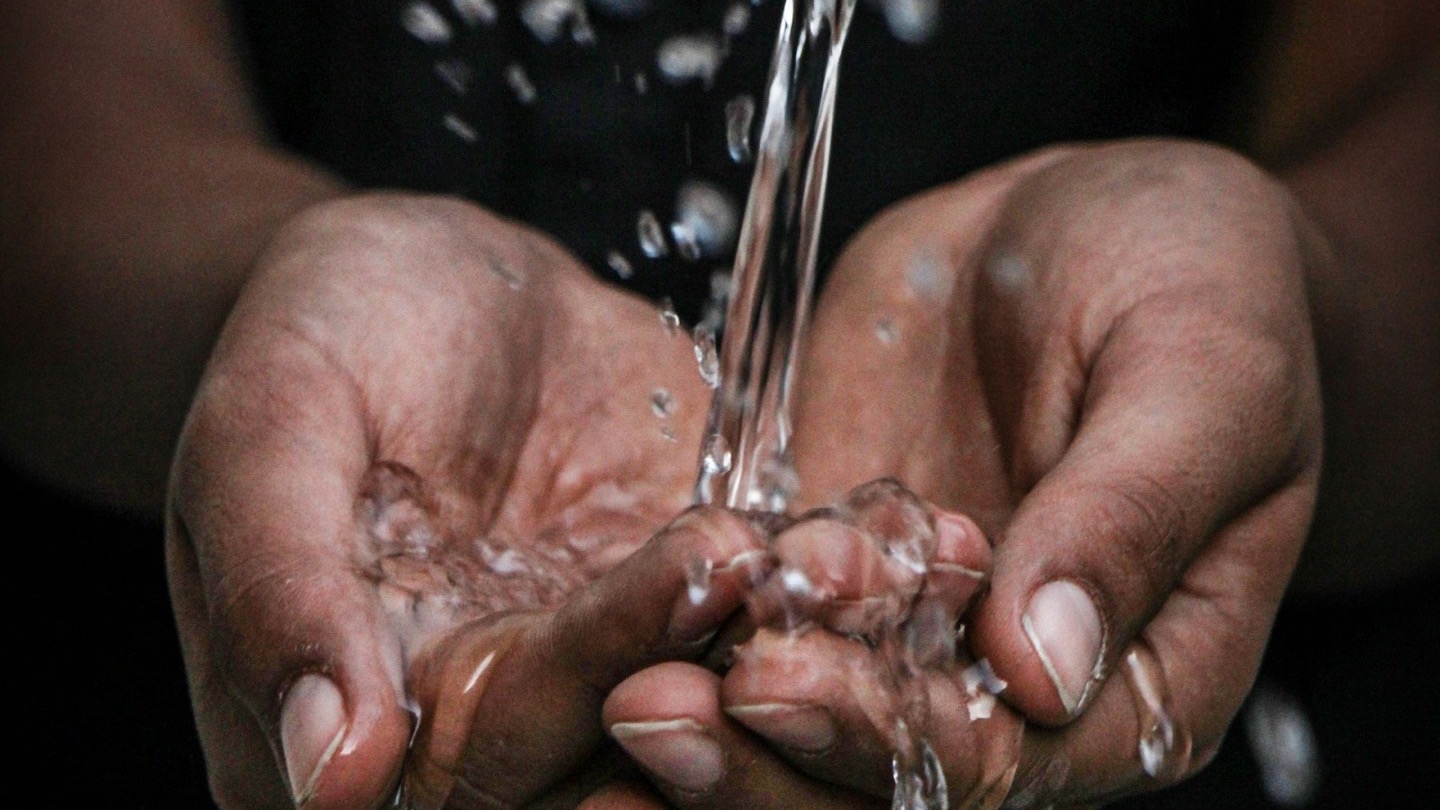
Shade has a second benefit: the soil under the panels stays cooler and loses moisture more slowly, so the same crop needs less irrigation water. In a country dealing with erratic rainfall and depleting groundwater, using every litre twice as hard matters. Pair agro-PV with solar-pumped water and smart irrigation, and the water pillar of the nexus gets stronger too.
A natural fit for Ghana
Ghana has two pressures agro-PV addresses at the same time: a lot of under-utilised arable land, and a real need for clean, reliable power that does not depend on the grid. Agro-PV turns one into the solution for the other — generating electricity for a farm, a cold room or a community while keeping the land in production.
Part of a bigger system
On its own, agro-PV is a clever piece of engineering. Inside Worldtech’s model, it is one move in a connected system — the power it makes can run a solar cold room, pump a borehole, or feed a mini-grid. That is the point of nexus thinking: every solution is designed to make the others work better, on the same patch of Ghanaian ground.